
GRAVITY VS. RESISTANCE
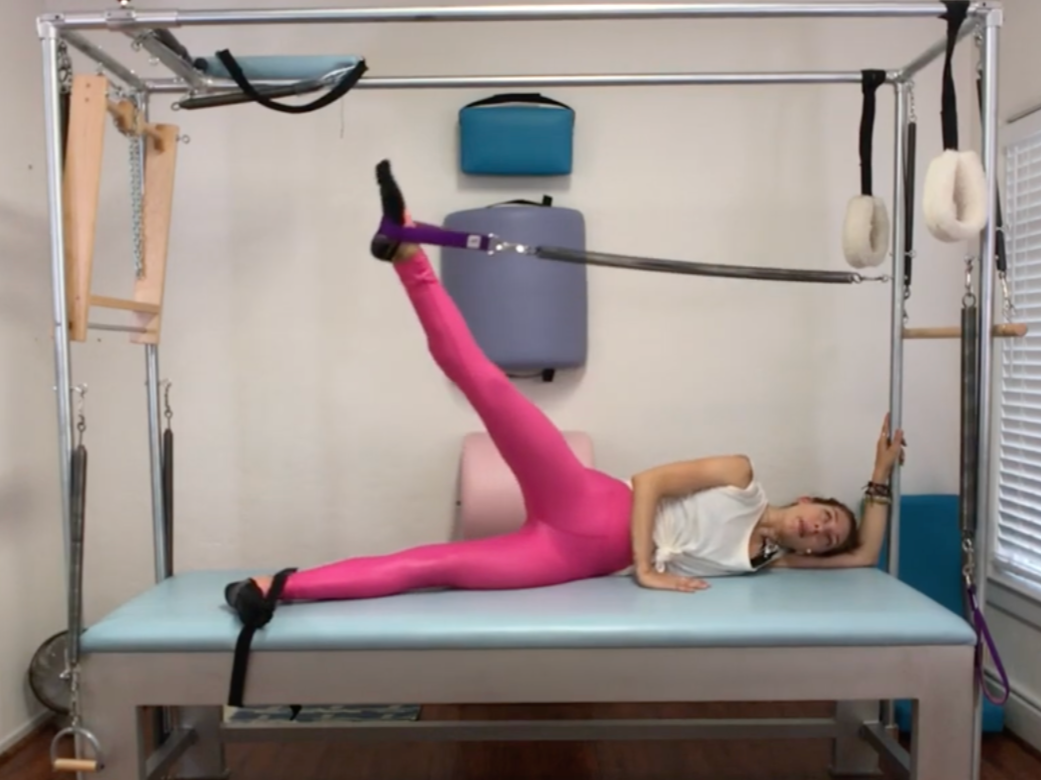
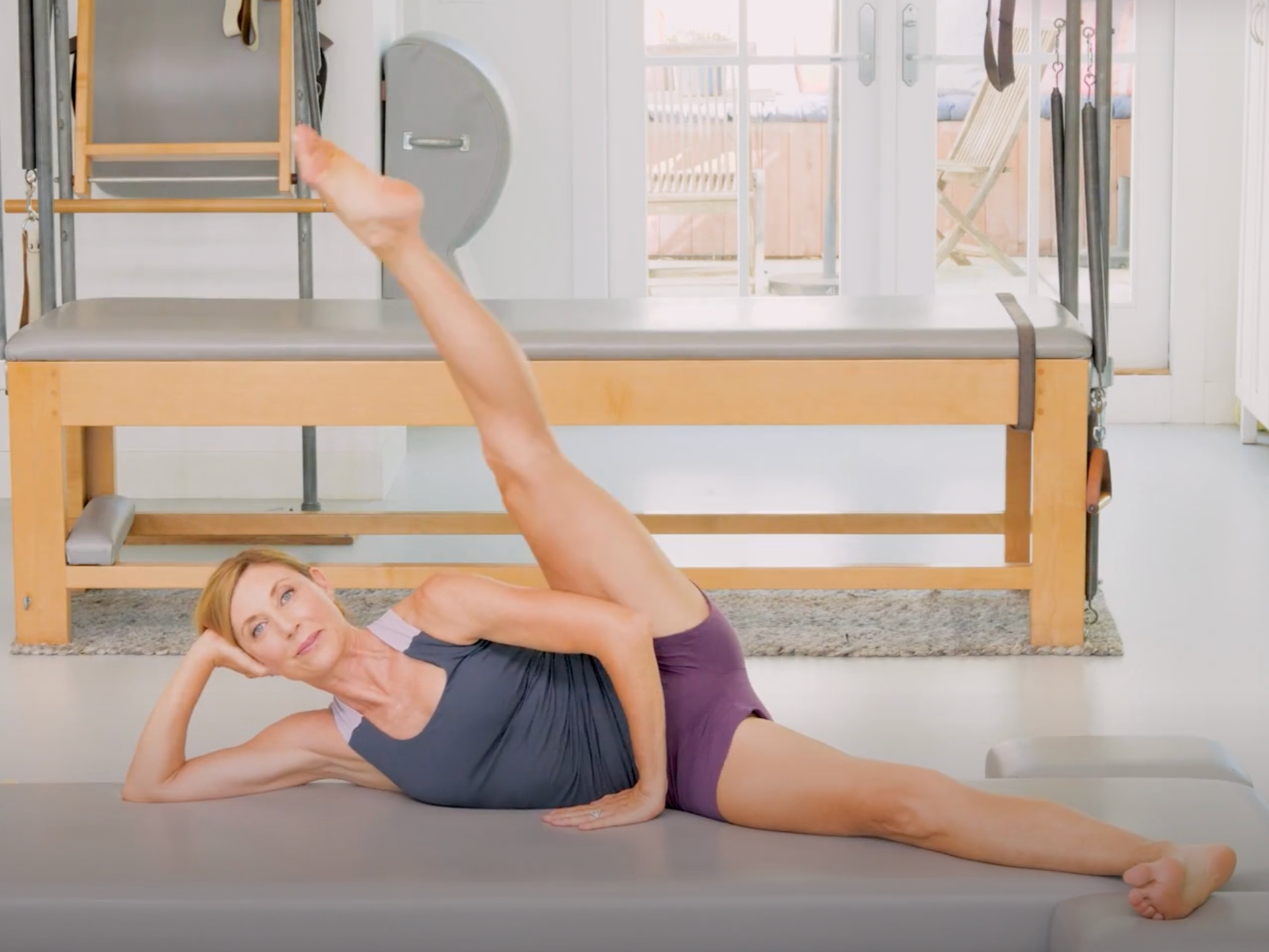
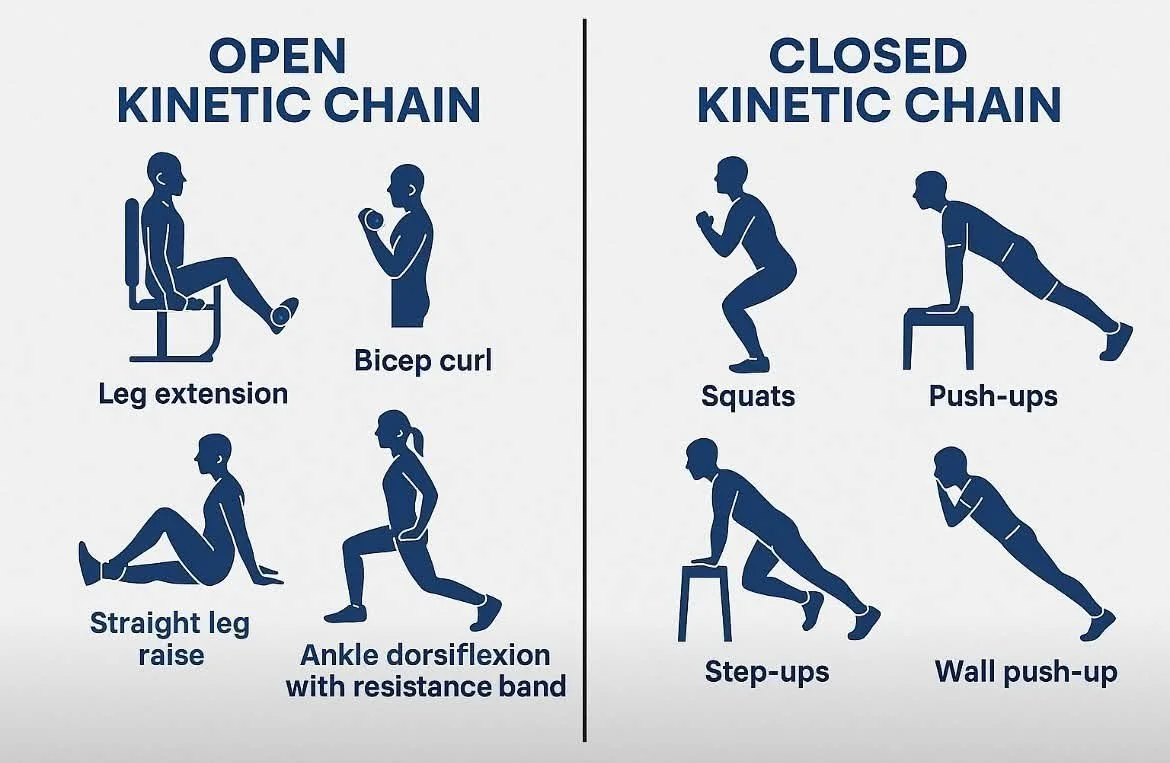
OPEN CHAIN VS. CLOSED CHAIN
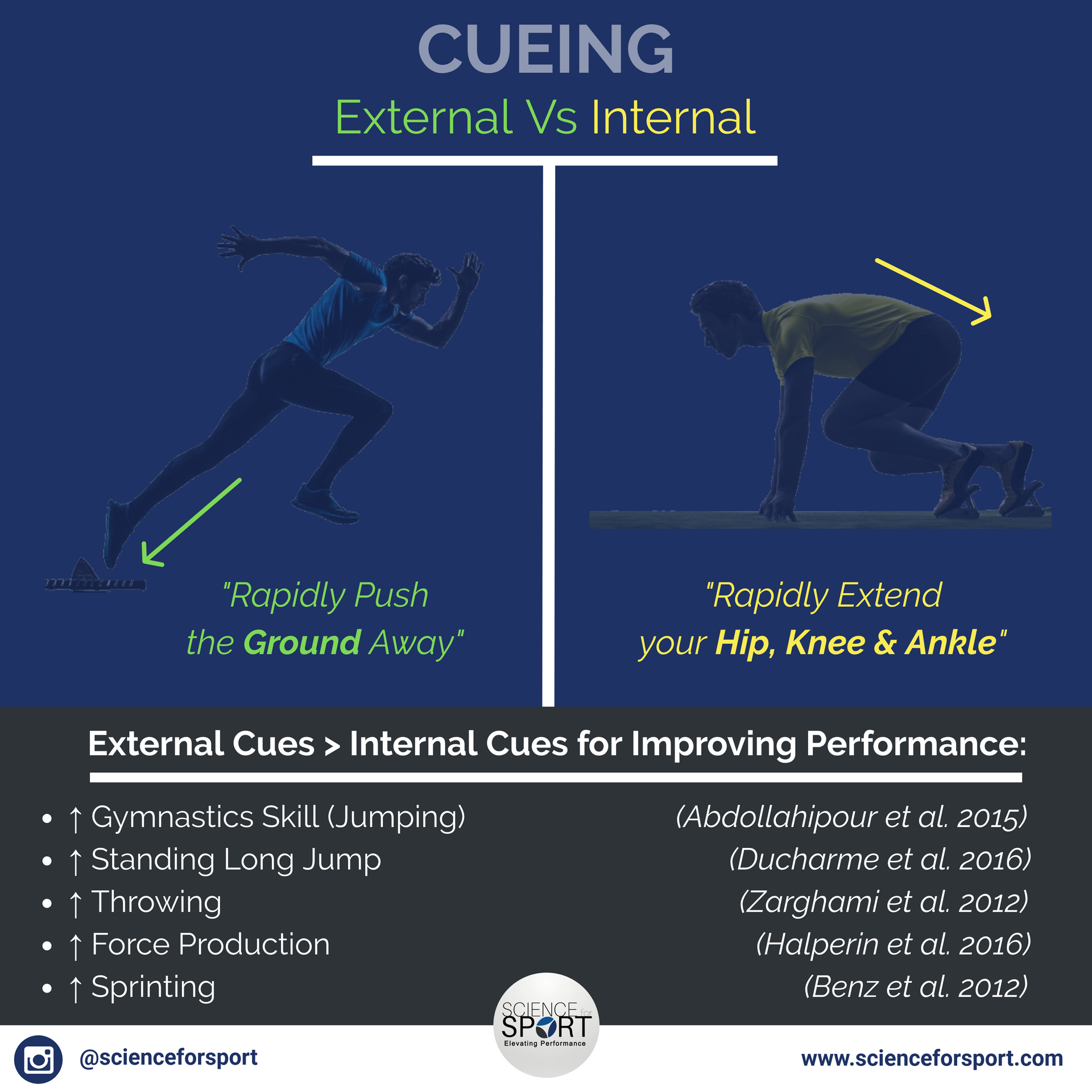
CUEING TECHNIQUES
CLICK THROUGH TO READ ARTICLE
REFERENCES
Romana Kryzanowska: source quotes
Open-to-closed kinetic chain spectrum
Steindler, A. (1955). Kinesiology of the Human Body Under Normal and Pathological Conditions. Charles C. Thomas. (Original definitions of open and closed kinetic chain, including the acknowledgment that a chain is rarely "strictly and absolutely closed.")
Karandikar, N., & Ortiz Vargas, O. O. (2011). Kinetic chains: A review of the concept and its clinical applications. PM&R, 3(8), 739-745. https://doi.org/10.1016/j.pmrj.2011.02.021
Physiopedia. Kinetic Chain. https://www.physio-pedia.com/Kinetic_Chain (Overview of Steindler's definition and why true closed-chain movement rarely occurs in the extremities except in isometric holds, supporting the spectrum framing used in this session.)
Internal vs. external cueing (Mat cues resistance, Cadillac cues control)
Dacosta, D. (n.d.). Move the weight or squeeze the muscle? Internal vs. external cues for strength gains. Five Elements Coaching. https://www.five-elements.ca/blog-2/move-the-weight-or-squeeze-the-muscle-internal-vs-external-cues-for-strength-gains (Coaching summary of the meta-analysis below; internal cues, focus on the muscle itself, parallel Mat's self-generated resistance, while external cues, focus on an external object or force, parallel the Cadillac's spring-negotiated control.)
Chua, L. K., Jimenez-Diaz, J., Lewthwaite, R., Kim, T., & Wulf, G. (2021). Acute and long-term effects of attentional focus strategies on muscular strength: A meta-analysis. PubMed. https://pubmed.ncbi.nlm.nih.gov/34822352/ (Primary meta-analysis the blog post summarizes; external cues outperformed internal cues for short-term strength and for lower-body strength specifically, though one study found internal cues produced greater hypertrophy in an isolation exercise.)
Wulf, G. (2013). Attentional focus and motor learning: A review of 15 years. International Review of Sport and Exercise Psychology, 6(1), 77-104. (The primary academic review behind the internal/external cueing literature; introduces the "constrained action hypothesis," the idea that an internal focus on the moving body part constrains automatic motor control, while an external focus on the effect or the object allows it to self-organize.)
Wulf, G., McNevin, N., & Shea, C. H. (2001). The automaticity of complex motor skill learning as a function of attentional focus. Quarterly Journal of Experimental Psychology, 54A(4), 1143-1154. (Original experimental paper proposing the constrained action hypothesis.)
Gravity resisted, gravity eliminated, and gravity assisted
Daniels, L., Williams, M., & Worthingham, C. Muscle Testing: Techniques of Manual Examination. Most recent edition: Avers, D., Lott, D. J., & Brown, M. (2024). Daniels and Worthingham's Muscle Testing: Techniques of Manual Muscle and Performance Testing (11th ed.). Elsevier. (The standard physical therapy classification of movement relative to gravity: gravity resisted, also called anti-gravity, where the body part moves against gravity; gravity eliminated or gravity-minimal, where the limb moves in a plane parallel to the floor, neither helped nor hindered by gravity; and gravity assisted, where gravity helps move the body part, reducing the work required of the muscle.)
Lovett, R. W. (1917). The Treatment of Infantile Paralysis. (Historical origin of the resistance-gravity muscle testing system that the modern gravity-resisted / gravity-eliminated / gravity-assisted classification descends from.)
Developmental order (carried over from Session 1, referenced in the opening review)
Fitts, P. M., & Posner, M. I. (1967). Human Performance. Brooks/Cole.
Motor Development (overview). ScienceDirect Topics. https://www.sciencedirect.com/topics/immunology-and-microbiology/motor-development
Apparatus as an extension of the body (carried over from Session 1, referenced in the opening review)
Maravita, A., & Iriki, A. (2004). Tools for the body (schema). Trends in Cognitive Sciences, 8(2), 79-86.
Canzoneri, E., Ubaldi, S., Rastelli, V., Finisguerra, A., Bassolino, M., & Serino, A. (2013). Tool-use reshapes the boundaries of body and peripersonal space representations. Experimental Brain Research, 228, 25-42. https://doi.org/10.1007/s00221-013-3532-2